
Pending home sales can fall through when a loan falls short, repairs cause a dispute, or another contract term goes unmet.
Updated
What percentage of pending sales fall through?
In NAR's September 2026 REALTORS® Confidence Survey, 7% of contracts were terminated over the prior three months. That is a national survey result, not a rate for Victoria.
How often do pending home sales fall through? The answer varies by market and by how each report counts sales. A delay is different from a canceled contract. Ask your agent which steps remain before your closing.
What pending means for your sale
A seller has accepted an offer, but the sale has not closed. The exact meaning of a listing status can vary by MLS. Check your contract for the terms that still apply. Our guide to pending status explains the basics.
Inspection and option period
A home inspection helps you spot repair needs. In Texas, review your option period and notice deadline before deciding what to do.
Loan approval
A preapproval is an early step. The lender still needs to review the buyer and the property before it can fund the loan.
Appraised value
The lender uses an appraisal to help set the loan amount. A low value can leave a gap between financing and the sale price.
Sale of another home
Some buyers need money from their current home to close. A home-sale contingency sets terms for what happens if that sale does not close.

Why pending sales fall through
1. The loan is not approved

A lender can deny a loan after preapproval. A job loss or new debt may change what the buyer can afford. Missing paperwork can also hold up the loan.
Buyers should ask their lender before taking on new debt. Send requested documents promptly, and ask what still needs approval before closing.
2. Repairs lead to a dispute
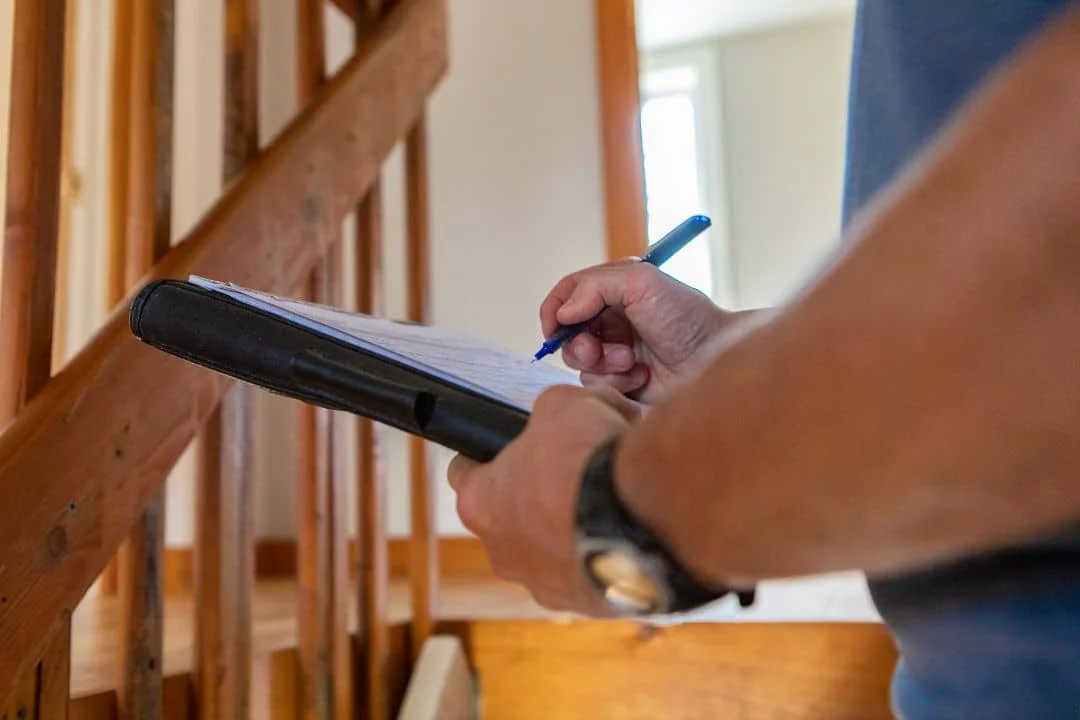
An inspection may uncover a roof leak or a costly foundation issue. The buyer and seller may disagree on repairs or a credit.
In Texas, the option period gives buyers time to inspect and decide, if its terms are met. Get repair quotes early. Review the notice deadline with your agent before that period ends.
3. The appraisal comes in low
If the appraisal is below the sale price, the lender may offer a smaller loan than expected. The buyer may need more cash, or the parties may discuss a price change.
Ask the lender how the value affects the loan. Then review the contract with your agent before agreeing to cover a gap.
4. A title issue delays closing

A title search may uncover an unpaid lien or a dispute over who owns the home. Some issues take time to resolve. Others can stop the sale.
Ask the title company what it needs and who must provide it. Share known title concerns early. Get legal advice if there is an ownership dispute.
5. The buyer's home does not sell

A buyer may need the money from selling a home to buy the next one. If that sale stalls, the next closing can stall too.
Review any home-sale contingency and its deadline. Keep both agents informed about delays. A seller can also ask their agent whether a backup offer makes sense.
6. Plans change before closing

A job move or a change at home can make a buyer rethink the purchase. Feeling unsure does not, by itself, create a right to cancel.
TREC explains that cancellation rights come from the contract. Raise concerns with your agent promptly. Ask a real estate attorney about your rights before you act.
What to check before closing
You cannot control every reason a sale might fail. You can keep track of what needs to happen next. Ask your agent and lender to help you check these items before closing.
- Write down each contract deadline and required notice.
- Ask your lender what still needs approval.
- Set inspection dates and get repair quotes early.
- Confirm which title documents are still needed.
- Report delays before they put closing at risk.
A late closing does not always mean the sale is lost. Ask what caused the delay and whether the parties can agree on more time.
What if your sale falls through?
Before you make a new offer or put the home back on the market, work through these steps with your agent.
1. Confirm the status
Ask your agent whether the contract has ended or closing is delayed. Have a real estate attorney review any dispute about ending the contract.
2. Review the cause
Was the issue the loan, the home, or the price? Use the lender or inspection findings to decide what needs attention before another deal.
3. Plan your next move
Sellers can review repair needs and pricing before relisting. Buyers can revisit their budget with the lender before making an offer on another home.
4. Discuss backup offers
Ask your agent if a backup offer is in place. Check its terms and start date before assuming a new sale can go ahead.

Our Listings
Ranches
Residentials

Ready To Sell

Ready To Buy

Our Team

Mortgage Lenders
Home Warranty

Home Sales

Featured Listings
Talk through your next move
Buying or selling in South Texas? Tell Jacob Realty where you are in the process and what concerns you. Our team can walk you through the next step.